
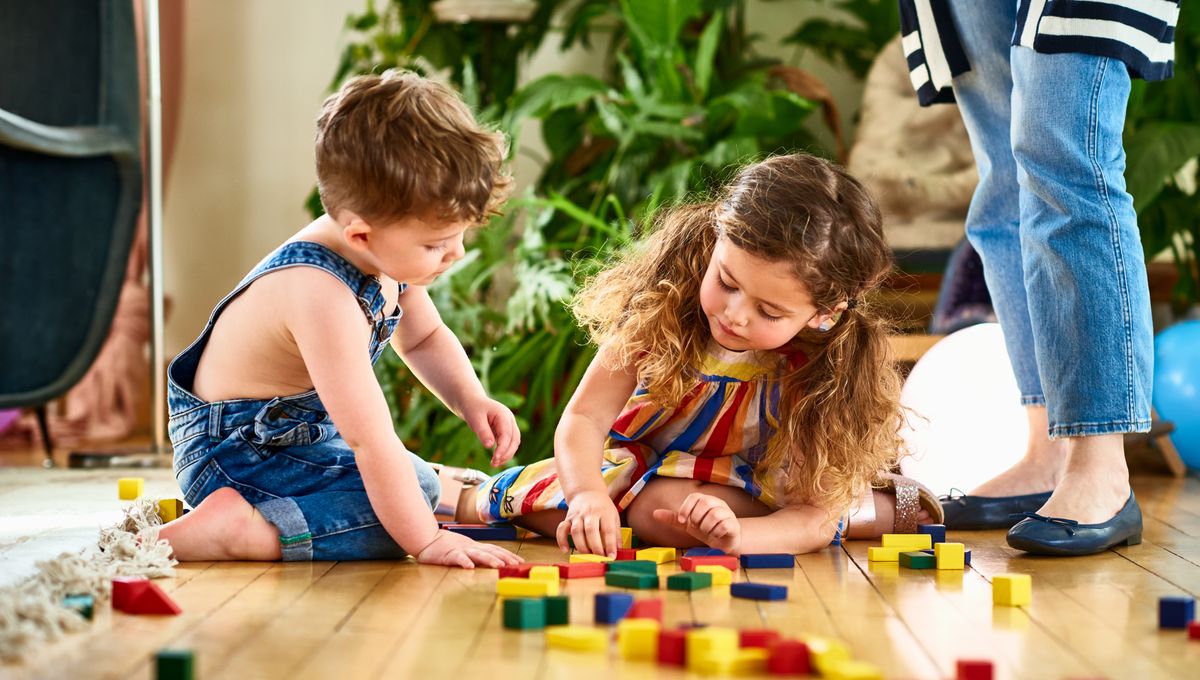
Beating boredom: family activities
Contents
- Understanding where boredom comes from
- Reading a book
- Going for a walk
- Writing a story or a poem
- Drawing or painting
- Learning a new skill
- Listening to music
- Watching a film or a series
- Playing a board game or a video game
Understanding where boredom comes from
Boredom reflects a lack of interest in the current activity. It is a signal of disconnection, sometimes linked to exhaustion. For parents, this repeated word often reveals a need for novelty or intellectual stimulation. Learning to interpret it makes it possible to tackle boredom constructively.
The signs vary with age. In my little ones, boredom shows up as restlessness or repeated requests.
| Age range | Signs of boredom | Associated reactions |
|---|---|---|
| Babies (0-12 months) | Blank stare, restlessness with no obvious cause | Tries to attract attention by looking or crying |
| Toddlers (1-3 years) | Repeated requests, aimless searching for objects | Insistently interrupts parents' activities |
| Young children (3-6 years) | Endless questioning, wandering with no logic | Constantly looks for new activities to share |
Boredom can become a lever for learning. When we stop running away from it, it stimulates creativity and personal development. This unexpected pause awakens the spirit of initiative. Turning this moment into an opportunity renews our relationship with the world and with others.
Reading a book
Reading takes you elsewhere when boredom sets in. For my children, opening a colourful picture book transforms the atmosphere in an instant. Every story stimulates their imagination, feeds their natural curiosity and keeps family boredom at bay. A simple but powerful activity to fight mental emptiness.
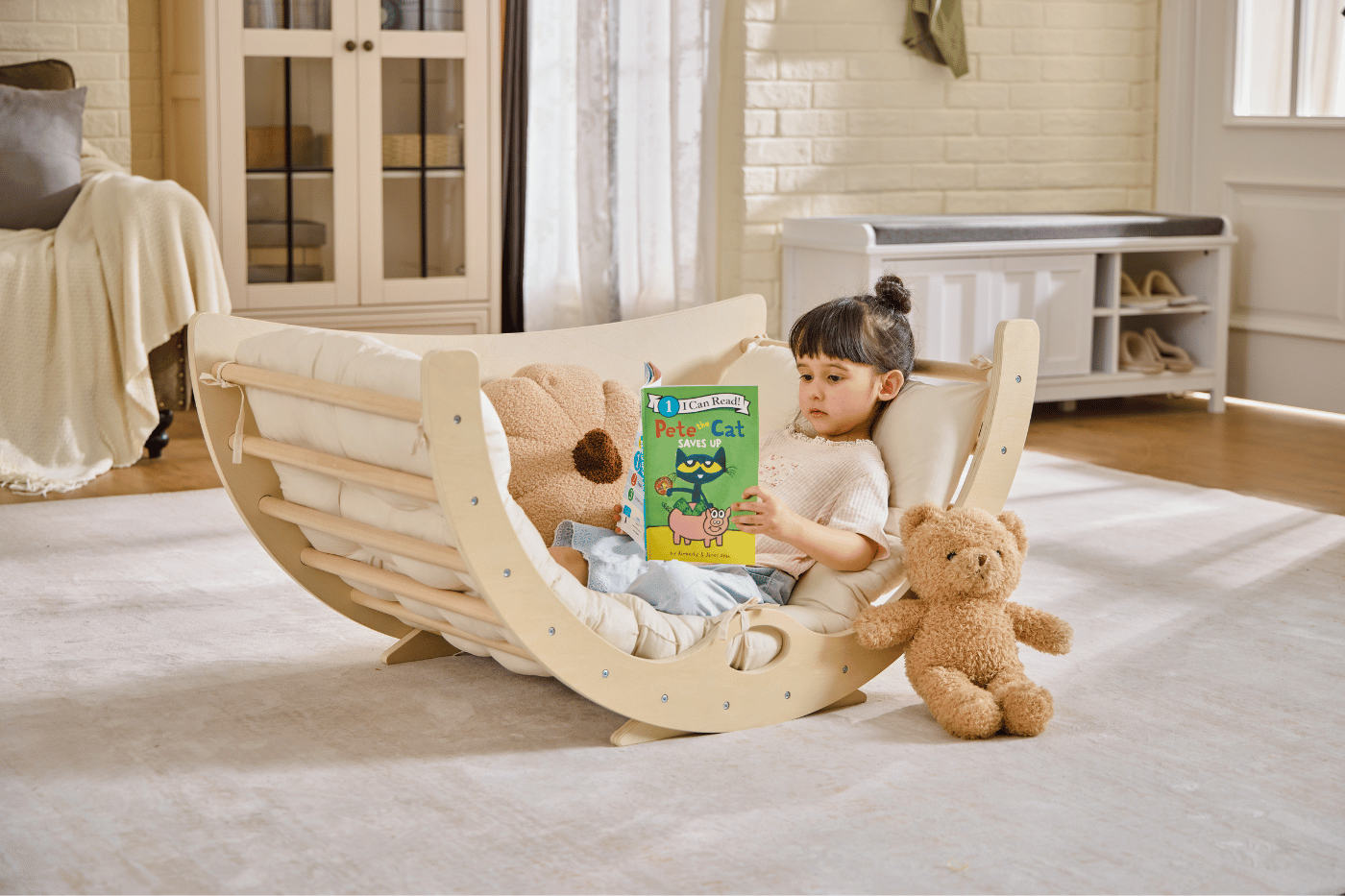
Creating an inviting reading corner takes little. I set out soft cushions and shelves at their height. As soon as they wake up or before bedtime, this visual landmark encourages them to pick up a book rather than beg for a screen. The routine settles in without constraint, just shared enthusiasm.
Here are some books that have delighted our evenings:
- Illustrated books of La Fontaine's fables for babies from 13 months
- Collections of musical poems for 4 to 5-year-olds
- Adaptations of classics such as "The Jungle Book" for 5 to 6-year-olds
- Illustrated classic fairy tales by Perrault and Grimm for 6 to 7-year-olds
- Collections of tales by Andersen, beautifully illustrated
Since we adopted the bedtime book ritual, our conversations have grown richer. My eldest tells me his daydreams, my little girl points at the animals. These quiet moments strengthen our closeness and give each of us a refuge from everyday boredom.
Going for a walk
Walking outside changes your state of mind. Fresh air boosts energy, even when boredom sets in. My children explore pebbles or leaves, and I breathe. These simple moments bring us closer and revitalise the mind, especially after a morning spent looking for ideas to keep the little ones busy.
Turning an outing into an adventure takes little effort. A treasure hunt with hidden clues motivates children to observe every detail. Collecting leaves to make a herbarium makes nature interesting. These outdoor activities prevent boredom and strengthen the family's curiosity.
Walks develop skills without the child realising it. By identifying trees, they learn to name the world. This spontaneous learning, far from screens, feeds their thirst for discovery. Boredom then becomes an ally for growing together.
Writing a story or a poem
Writing gives meaning back to boredom. When my eldest declares "I'm bored", I offer a notebook. Writing helps structure thoughts and express emotions. This activity stimulates creativity and turns emptiness into imagination.
Children love interactive stories. I read them tales that can be changed, where they choose the ending. At 2, my son draws his favourite character before inventing his adventures. For older children, writing poems with constraints is fun and educational.
Our family journal gathers our imaginary adventures. The habit settled in naturally. My eldest tells his dreams, my daughter points at the letters she recognises. These writing moments strengthen our bonds and nourish everyone's self-expression.
Drawing or painting
Art frees the imagination and refines movements. When my children point at shapes in nature, their little hands discover the world. Drawing develops hand-eye coordination while soothing moments of boredom. A simple but meaningful activity for their development.
| Age range | Recommended materials | Safety precautions |
|---|---|---|
| 0-12 months | Extra-large wax crayons, washable paints, sturdy paper | Favour non-toxic products with no small detachable parts. Check EN71/CE standards |
| 1-3 years | Water-based felt pens, modelling clay, soft brushes | Avoid sharp objects. Regularly check the condition of the materials. Favour glass-free containers |
| 3-6 years | Coloured pencils, watercolour pans, children's craft scissors | Learn to handle scissors under supervision. Store pointed tools safely. Favour European safety standards |
| 6+ years | Non-toxic acrylic paints, drawing kit, multi-surface collage materials | Explain good cleaning practices. Use surface protection. Check for potential allergies to components |
Art activities adapt to every age. For my 13-month-old baby, handprints in washable paint. My 2-year-old eldest experiments with water-based felt pens. These sensory moments stimulate their curiosity and create precious memories.
Art slipped into our daily life without forcing. A drawing on waking, a painting after snack time. These colourful breaks replace moments of boredom. The wooden Montessori arch complements these activities, stimulating their motor skills while leaving room for creativity.
Learning a new skill
Learning awakens the mind and energy. When my eldest repeats "I'm bored", we explore together. Discovering new knowledge stimulates the neurons and replaces boredom with curiosity. This openness to the new feeds personal and family development.
Learning as a family strengthens bonds. Together, we have tried cooking, botany and foreign languages. Everyone gets something out of it: my baby copies the gestures, my eldest feels useful. These shared moments turn boredom into closeness.
To get started gently, here are some accessible resources:
- Educational apps to develop digital skills
- Online platforms for learning foreign languages
- In-person creative workshops to learn in a group
- Online educational games to strengthen logical skills
- Practical guides for crafts and scientific discoveries
Our "one skill a month" challenge changed our daily life. Cooking together, my 2-year-old revealed a gift for baking. This extra 25% of family time reawakened our shared wonder, far from sterile boredom.
Listening to music
Music changes the mood and boosts energy. At home, an energising playlist before an outing gets the children going. Rhythmic sounds activate the dopamine circuits, driving boredom away. A family singing session awakens enthusiasm and renews family bonds.
Organising musical moments together strengthens bonds. Every Saturday, we create our own songs. My eldest taps the rhythm on the table, the little one copies the sounds. These voice and percussion games develop listening to one another, while fighting boredom playfully.
Musical variety feeds curiosity. We explore jazz, classical music and nursery rhymes from around the world. My 2-year-old already recognises orchestral sounds, broadening his musical universe. These discoveries awaken the mind without tiring, between emulation and emotional sharing.
Watching a film or a series
Screens, used well, become educational tools. The Passeurs d'images association shows that films can support school learning. A good choice of programme turns screen time into a moment of sharing, far from sterile boredom. Even my 2-year-old is captivated by a wildlife documentary.
Adapting content to age is essential. For the 13-month-old, colourful cartoons with short scenes. My eldest, on the other hand, enjoys structured stories with recurring characters. Checking the length, language and themes avoids unexpected reactions. The goal? Keep interest without overstimulation.
Our family film nights mix atmosphere and conversation. We decorate with blue cushions for Harry Potter or coloured pasta for an Italian evening. During the breaks we discuss the characters and the heroes' choices. These moments strengthen bonds while exploring new worlds together.
Playing a board game or a video game
Games stimulate the mind and create connection. When my eldest repeats "I'm bored", a board game or a collaborative challenge comes out of the cupboard. These moments strengthen concentration, logic and mutual help, turning boredom into family closeness.
Faced with boredom, every moment can become an opportunity for learning and family connection. By alternating interactive reading, creative walks and art workshops, you cultivate curiosity and closeness. Favour activities suited to your children's age, such as touch-and-feel books for toddlers, and turn "no-idea" days into memorable moments. Boredom, when welcomed, becomes a door to shared wonder.
FAQ: how to respond to boredom in children
From what age can a child feel bored?
From early childhood, around age 1, a child can show signs of boredom. This often shows up as restlessness, repeated requests or disorganised exploration. It is not a whim, but a search for stimulation.
Should you always keep a bored child busy?
No. Boredom is part of development. It encourages independence, imagination and initiative. It is not about filling every gap, but about giving children tools to occupy themselves, according to their age.
What are the simplest activities to set up?
The most accessible:
- A reading corner with a few suitable books
- A box of art supplies (felt pens, paint, stickers)
- A walk with a nature treasure hunt
- Simple board games from 2 to 3 years
- Background music or a children's podcast
Can boredom be beneficial?
Yes. Boredom, when properly interpreted, allows the child to get to know themselves better, develop their creativity and strengthen their tolerance of frustration. It is a trigger for personal exploration.
How do I adapt activities to my child's age?
Here are a few pointers:
- 1-2 years: stacking games, soft music, sensory books
- 2-3 years: modelling clay, first games with simple rules, finger painting
- 3-6 years: stories to invent, cooperative games, outdoor observation activities
Which board games are recommended from age 3?
Simple games with short rules and few pieces such as:
- "My First Orchard" (Haba)
- "Petit Ours Brun: colour lotto"
- Memory or track games with large pieces
Should screens be banned?
Not necessarily. Used well, they can enrich learning. You simply need to watch the content, the duration (no more than 15 to 20 minutes before age 3) and, above all, encourage conversation about what has been watched.
How can I stop boredom becoming a source of conflict at home?
Plan ahead with an "idea box" or a flexible schedule of activities. Alternate quiet times and active times. And above all, allow "nothing" times as moments of rest. The key is to listen to the need behind the boredom.

Written by Charles CAIGNOL






Leave a comment
This site is protected by hCaptcha and the hCaptcha Privacy Policy and Terms of Service apply.